Event Report
1. Event Details
2. Objective
Purpose of the Event
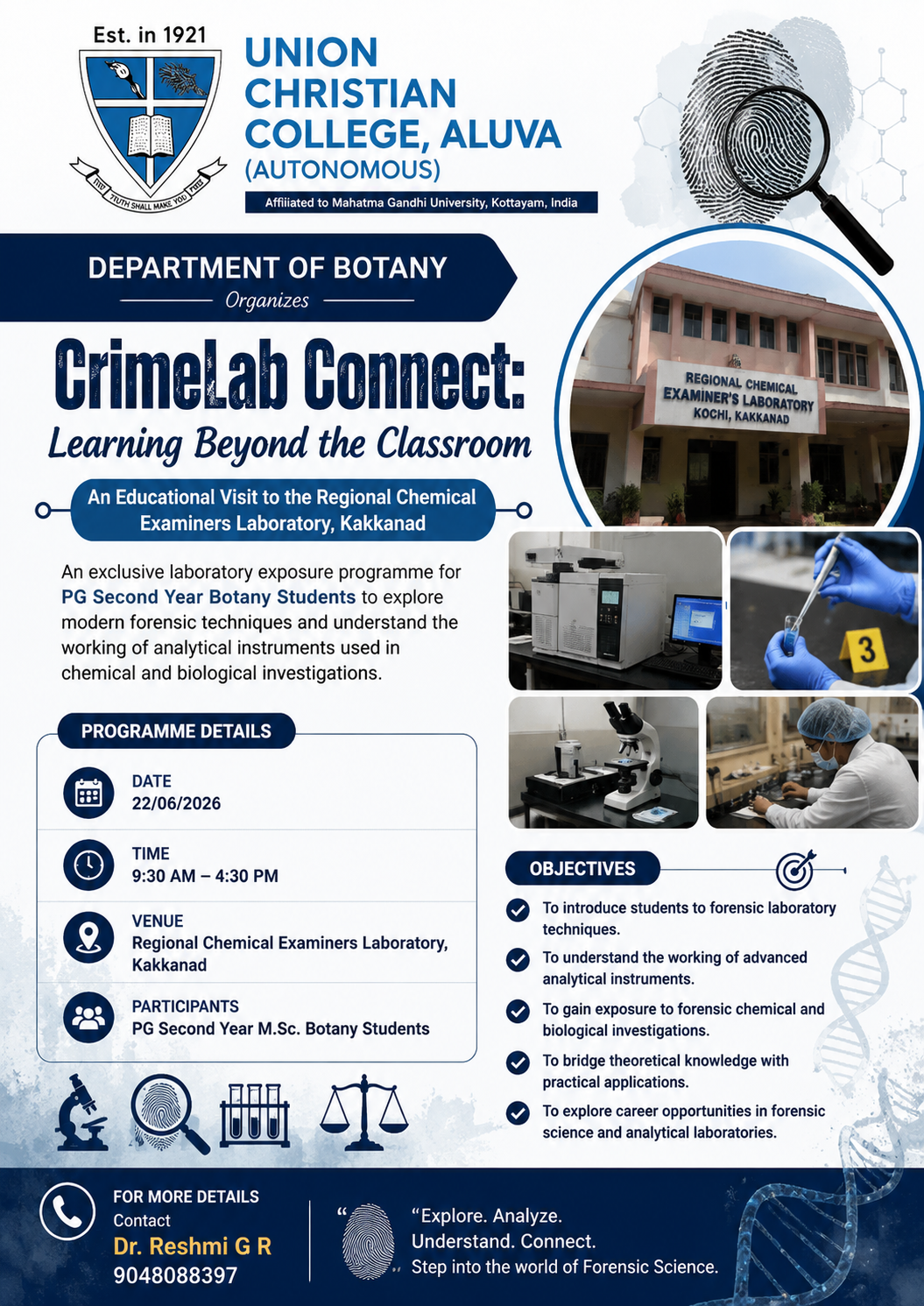
The laboratory visit was organized to provide postgraduate Botany students with practical exposure to forensic science and modern analytical techniques employed in criminal investigations. The programme aimed to familiarize students with the functioning of a forensic laboratory, introduce them to advanced analytical instruments, and demonstrate the application of scientific principles in toxicology, forensic chemistry, serology, narcotics analysis, and excise examination.
3. Event Summary
Description
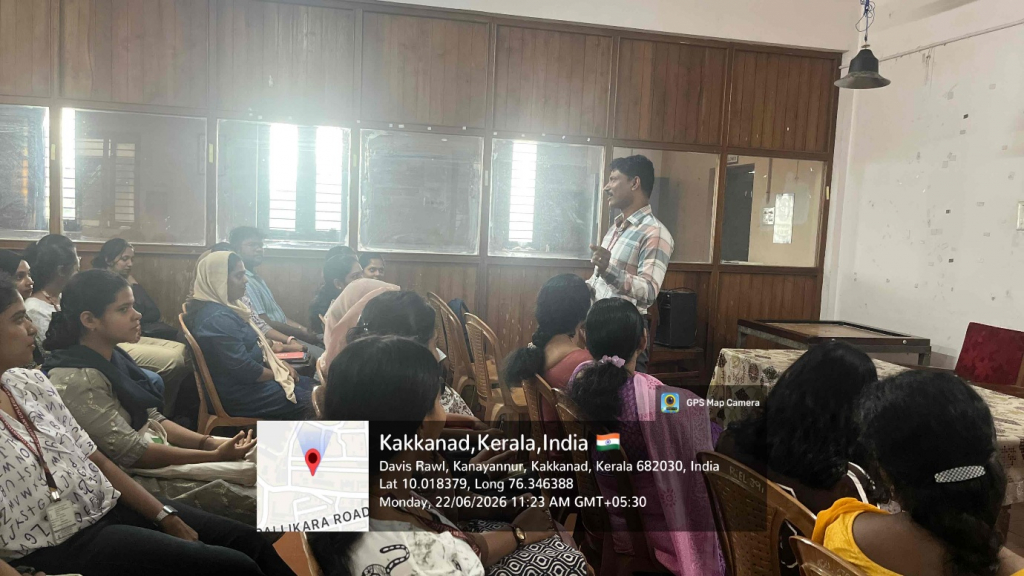
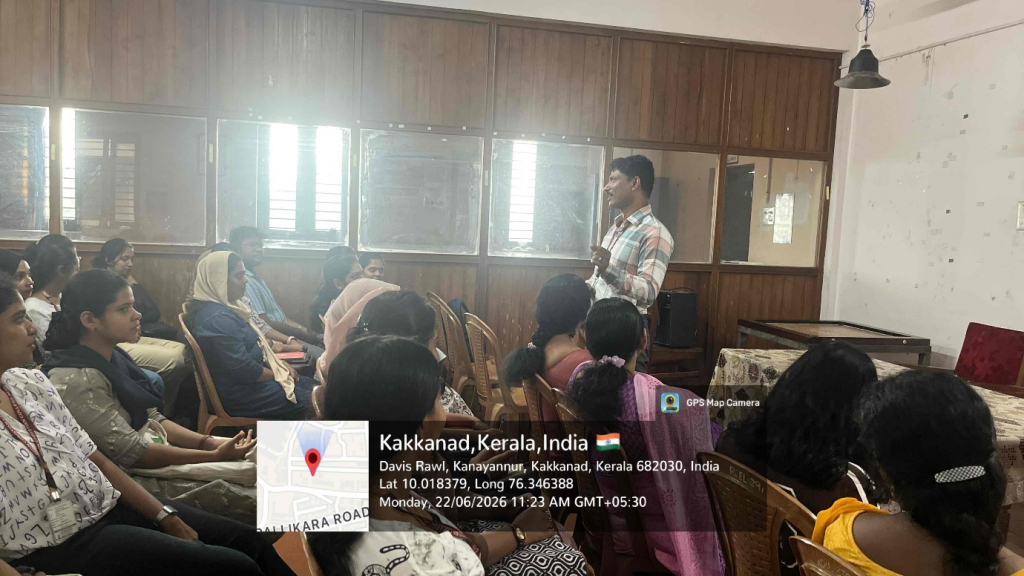
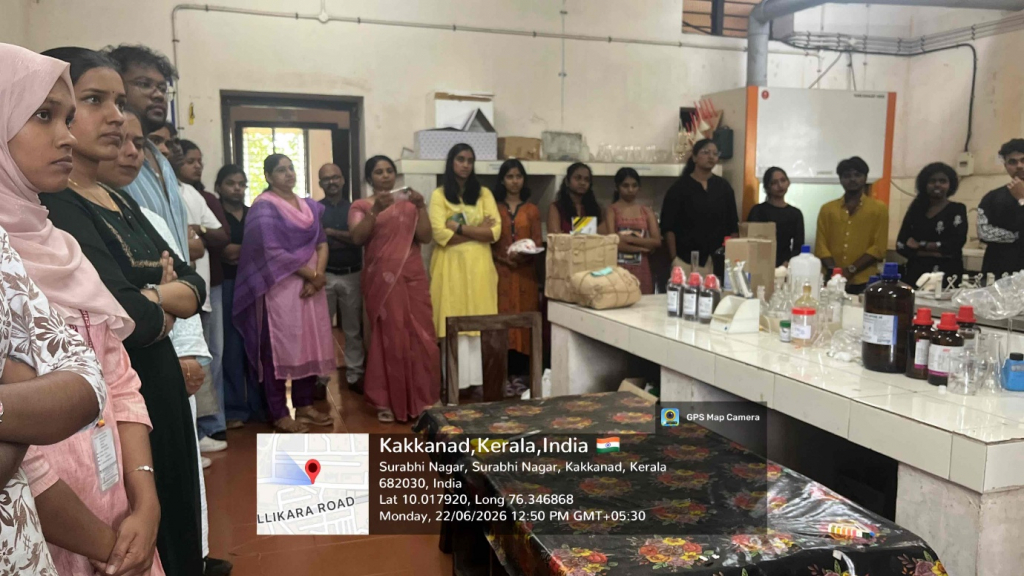
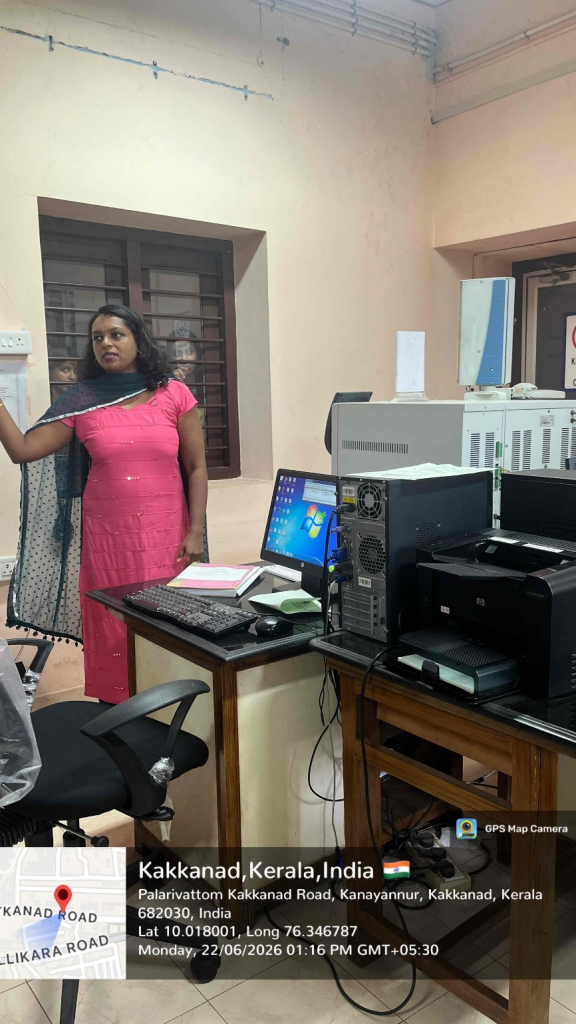
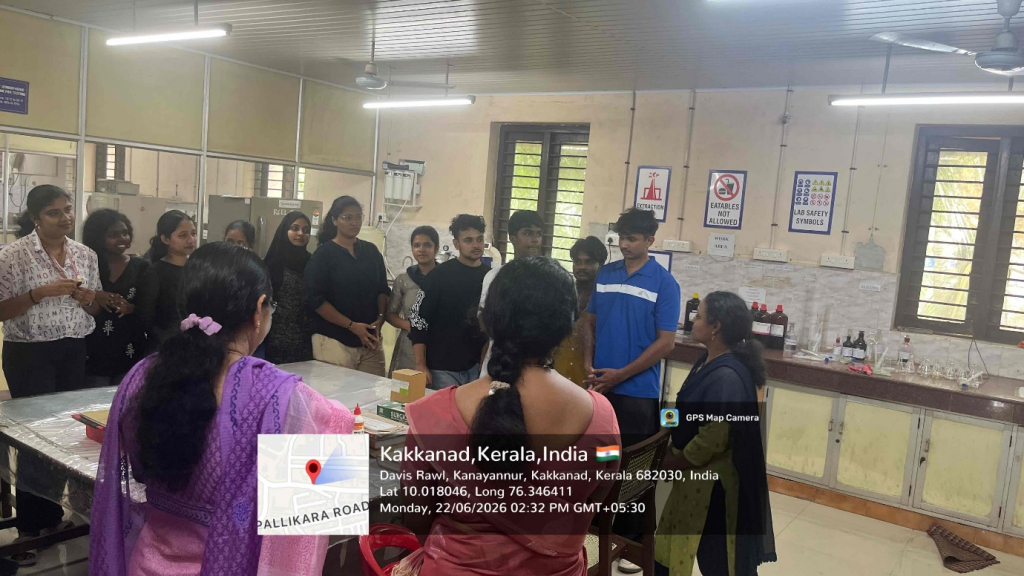
The Department of Botany organized an educational laboratory visit titled “CrimeLab Connect: Learning Beyond the Classroom” to the Regional Chemical Examiner’s Laboratory, Kakkanad, for eleven Second Year M.Sc. Botany students. The students were accompanied by Dr. Reshmi G. R. The team commenced their journey from Union Christian College at 8:00 AM and, after completing the necessary formalities, attended an introductory session on the history, organization, and functions of the laboratory. The session was conducted by Mr. Anish Alias, who explained the role of the institution in forensic investigations and the analytical techniques employed in evidence examination.
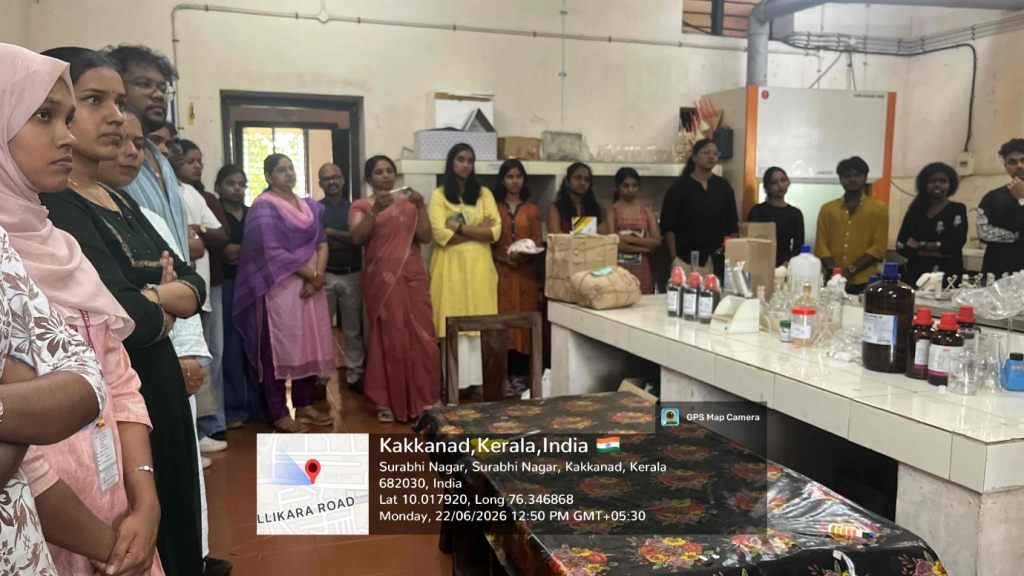
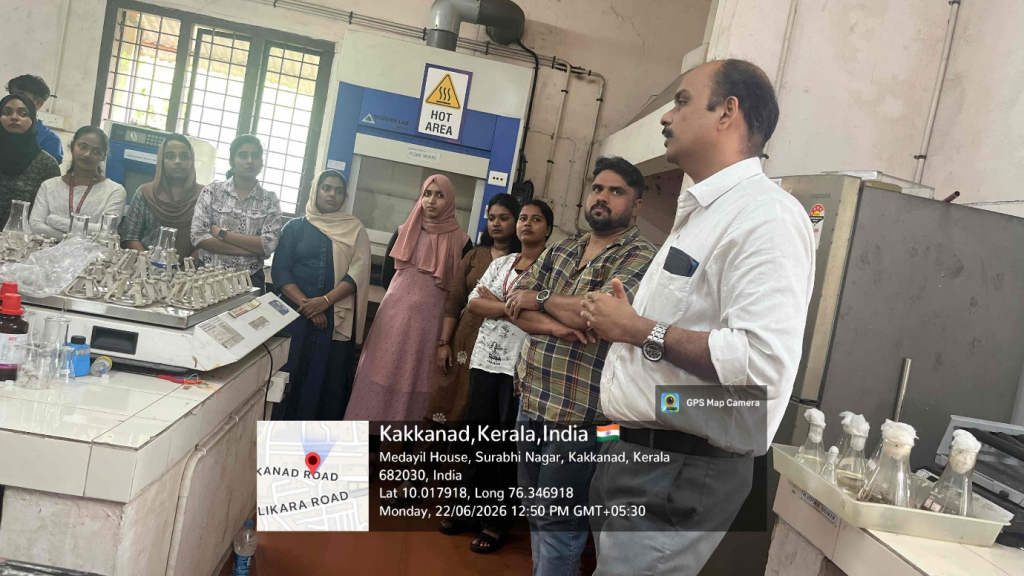
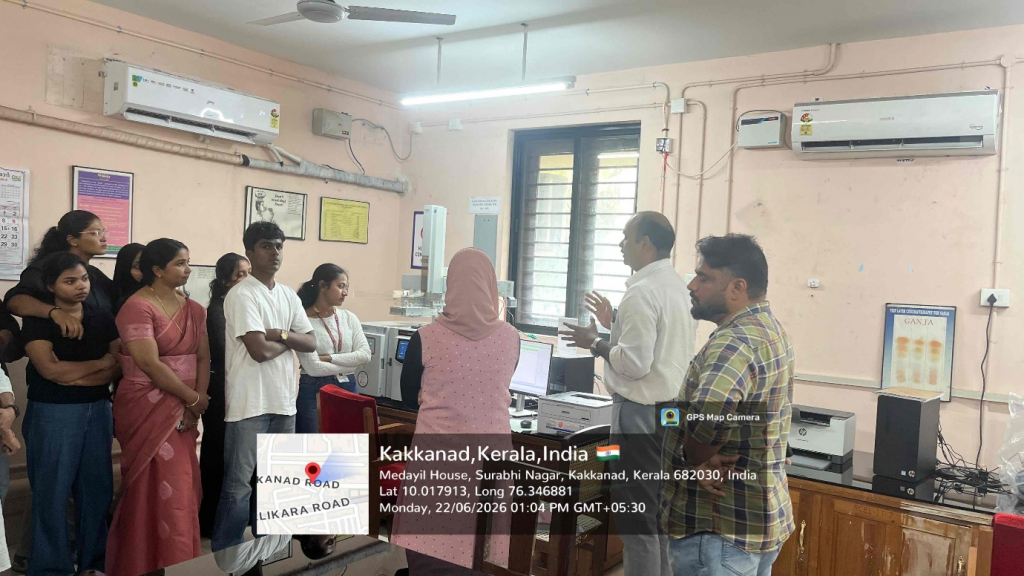
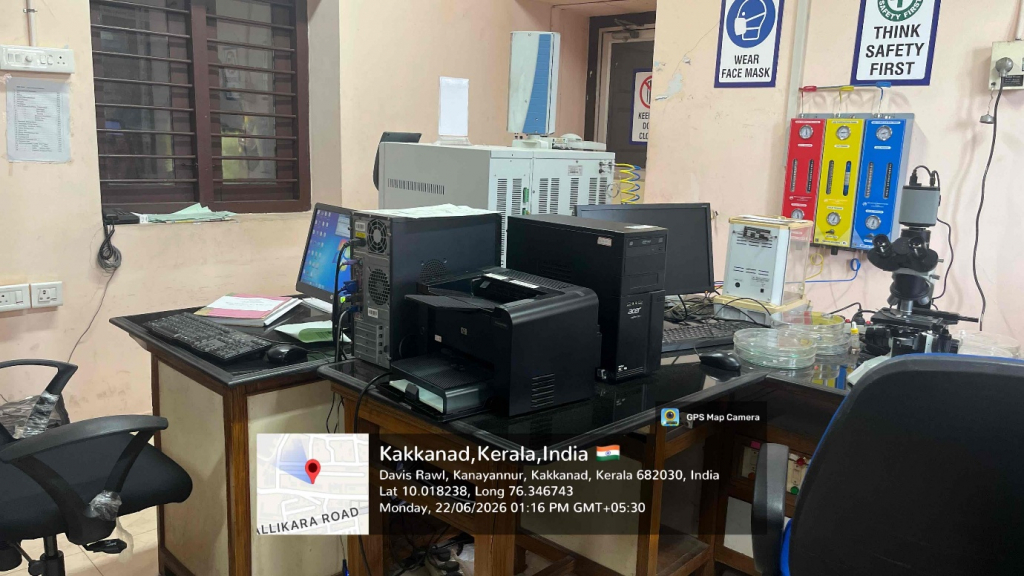
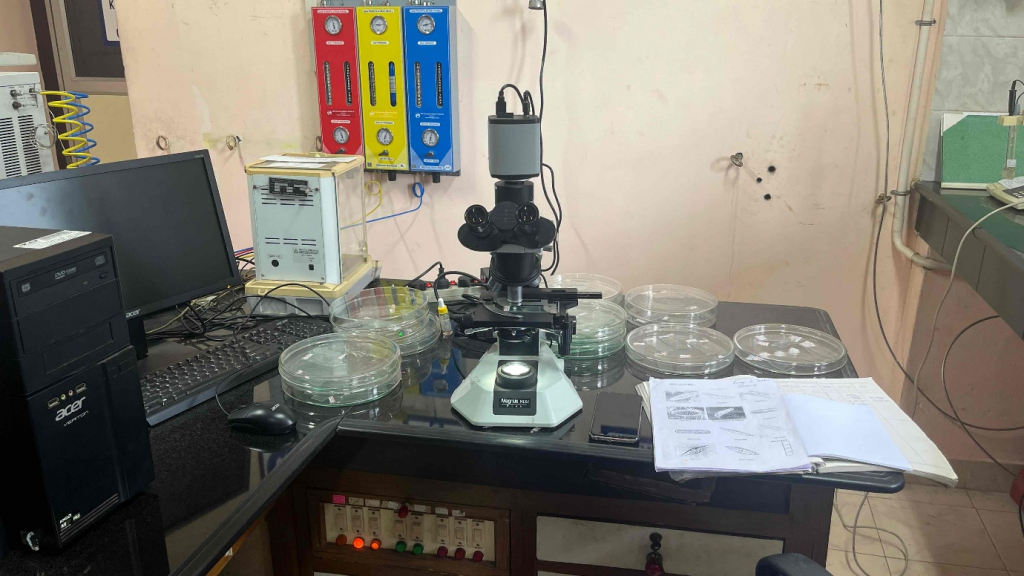
The students first visited the Toxicology Department, where Mr. John Francis, Scientific Officer, explained the examination of biological samples in suspected poisoning cases. The participants observed viscera samples and learned the principles and applications of Thin Layer Chromatography (TLC). They were also introduced to advanced analytical instruments including Gas Chromatography (GC), Gas Chromatography–Mass Spectrometry (GC-MS), Liquid Chromatography–Mass Spectrometry (LC-MS), Fourier Transform Infrared Spectroscopy (FTIR), and High-Performance Liquid Chromatography (HPLC), along with their forensic applications.
The visit continued to the Serology Department, where Ms. Kavitha explained the significance of forensic serology in criminal investigations. Students learned about the examination of biological evidence such as blood, semen, saliva, and other body fluids, along with staining techniques, blood detection methods, microscopic examination, and species identification procedures.
Following lunch, the group visited the Narcotics Department, where Mr. Anish Alias, Head of the Department, demonstrated the identification and analysis of seized narcotic substances, including cannabis, poppy, MDMA, and cocaine. The session also highlighted the provisions of the Narcotic Drugs and Psychotropic Substances (NDPS) Act and the role of forensic chemistry in combating drug abuse and trafficking.
The students then visited the General Chemistry Department, where Ms. Sabeena explained the analysis of food samples, adulterants, petroleum products, acids, alkalis, and other chemical evidence submitted for forensic examination. The final session was held at the Excise Department, where Mr. Biju S., Head of the Excise Department, described the analytical methods used for examining alcoholic beverages, illicit liquor, and excise-related samples. The visit concluded with a better understanding of forensic laboratory operations and the role of analytical science in criminal investigations.
4. Highlights
Key Highlights
5. Outcome/Impact
Results/Achievements
6. Feedback
Participant Feedback
The participants described the laboratory visit as highly informative and enriching. They appreciated the opportunity to observe sophisticated analytical instruments and understand their practical applications in forensic investigations. The interaction with scientists and department heads provided valuable insights into forensic science and inspired students to explore advanced research and career opportunities in the field.
7. Photos/Videos
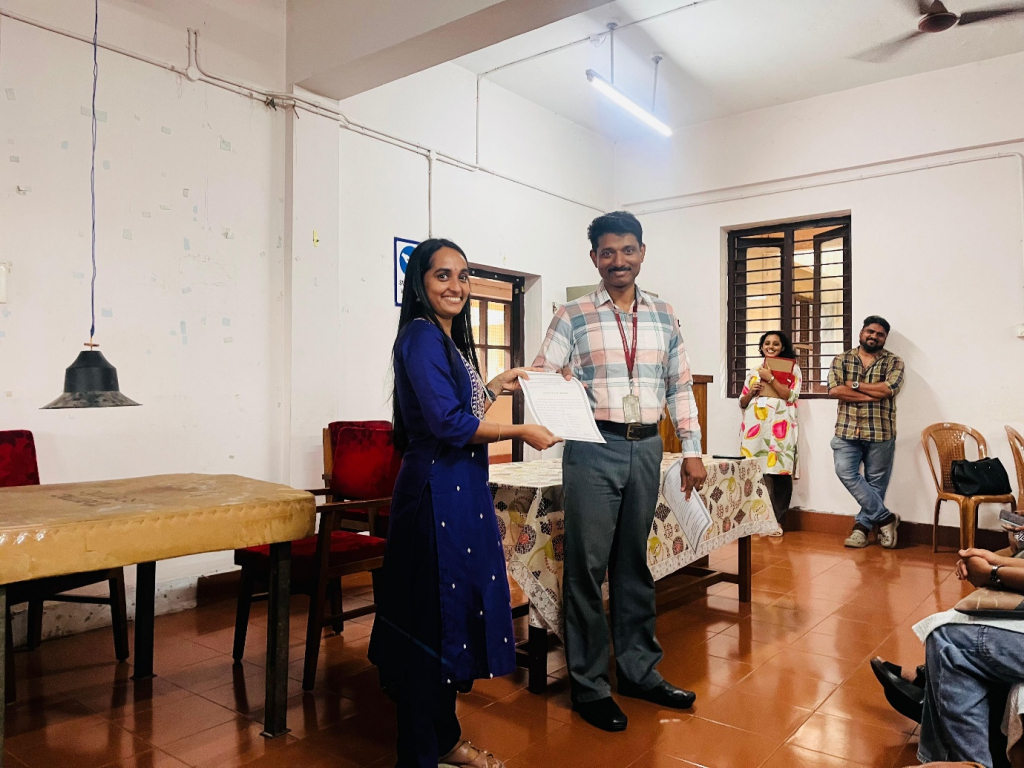
Photographs documenting the introductory session, visits to various forensic divisions, demonstrations of analytical instruments, interactions with scientists, and group photographs were taken during the programme and archived by the Department of Botany.
8. Future Recommendations
Suggestions
9. Acknowledgements
The Department of Botany expresses its sincere gratitude to Ms. Ambily T. S., Joint Chemical Examiner, Regional Chemical Examiner’s Laboratory, Kakkanad, for granting permission and facilitating the educational visit. Special thanks are extended to Mr. Anish Alias, Mr. John Francis, Ms. Kavitha, Ms. Sabeena, Mr. Biju S., and all the scientists and staff members for their valuable demonstrations and insightful explanations.
The department also expresses heartfelt appreciation to Dr. Reshmi G. R. for organizing the visit, coordinating the programme, and accompanying the students throughout the educational tour. Finally, sincere thanks are extended to all the participating M.Sc. Botany students for their enthusiastic participation and cooperation.
Report Prepared by
Dr. Reshmi G. R.
Assistant Professor
Department of Botany
Union Christian College (Autonomous), Aluva